
2025 Was a Breakout Year for Vintage Designer Bags & 2026 Is Set to Go Further
Luxury tastes have shifted — decisively.
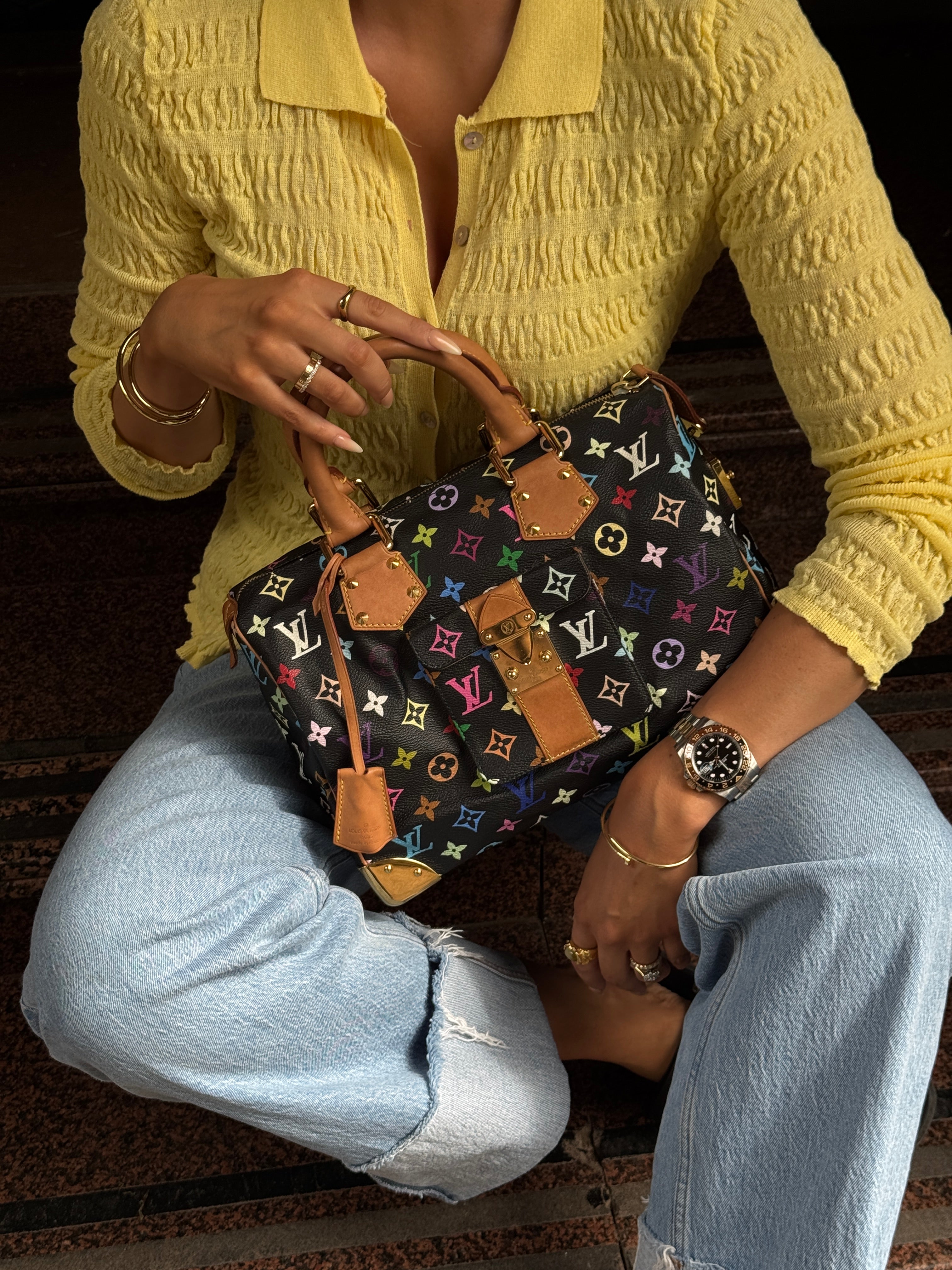
Throughout 2025, vintage designer handbags moved from a niche interest into one of the strongest-performing segments of the luxury market. Driven by continued boutique price rises, evolving consumer behaviour, and a growing focus on long-term value, pre-loved luxury has firmly established itself as a smart alternative to buying new.
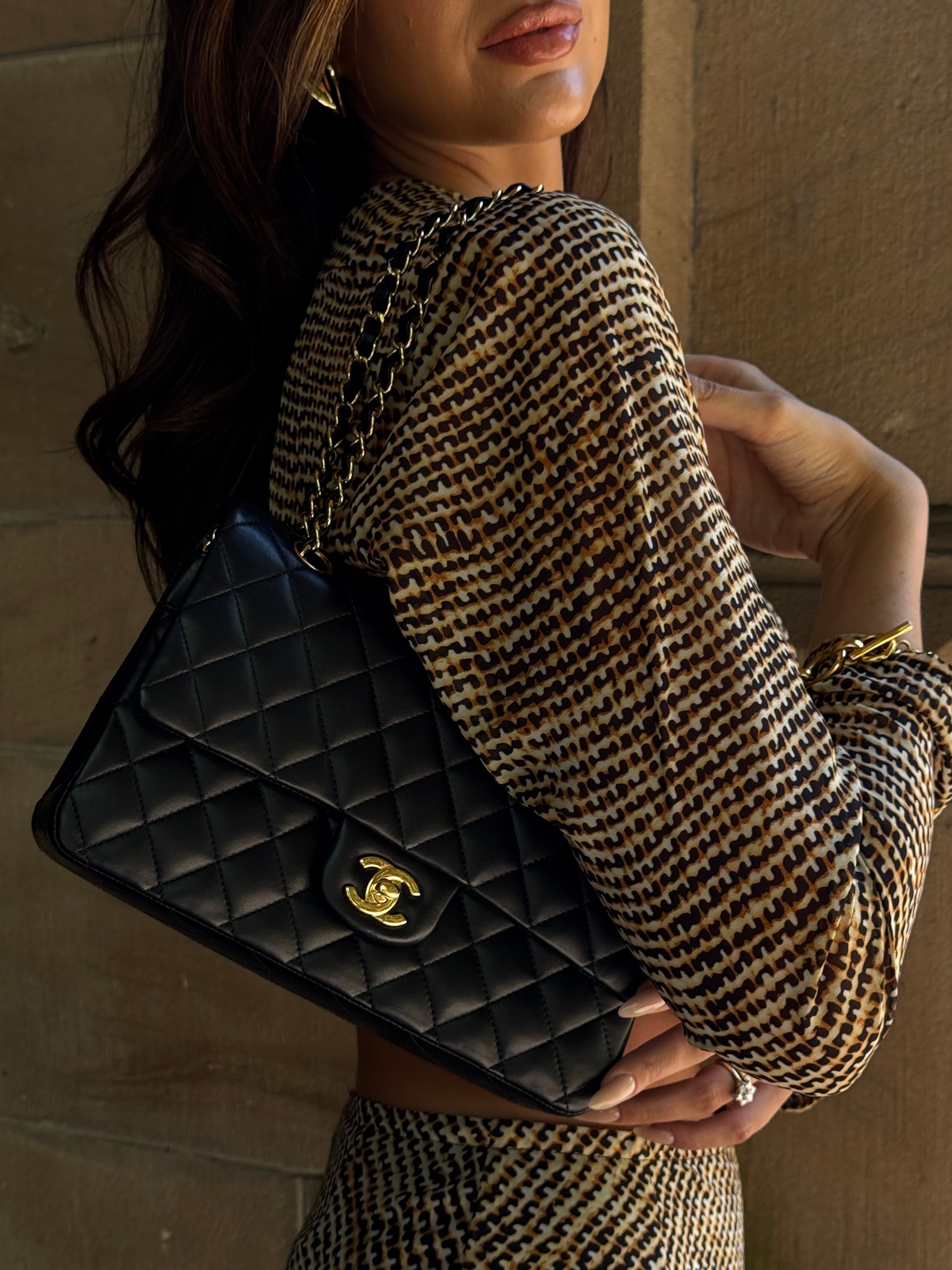
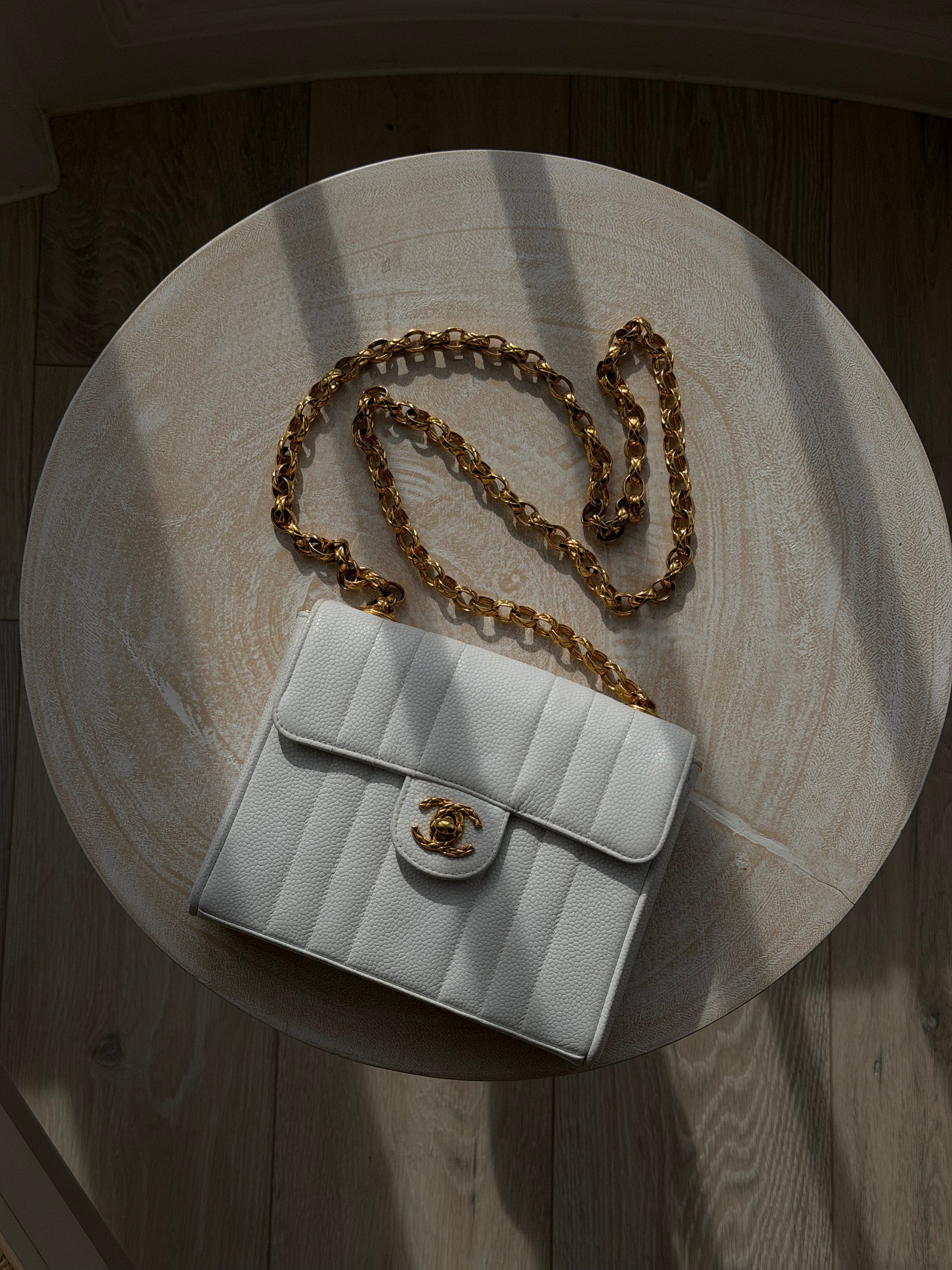
From Chanel Classics to Hermès icons, vintage bags have commanded increasing attention this year — often outperforming modern releases when it comes to value retention.
As the industry looks ahead, all signs suggest this momentum is not slowing down. In fact, 2026 is shaping up to be even stronger.
So what made 2025 such a pivotal year, and why does the outlook for 2026 look so compelling?
2025 Marked a Turning Point for the Luxury Market
Over the past five years, major luxury houses have implemented repeated and significant price increases, and 2025 continued that trend. Chanel alone has raised prices multiple times since 2020, pushing many classic styles into new price brackets.
What became clear this year is that demand didn’t fall away — it shifted.
Industry commentary and resale platform data throughout 2025 consistently showed strong growth in the luxury resale market, with classic handbags outperforming trend-led categories. Buyers didn’t stop purchasing luxury; they became more selective.
Vintage bags stopped being a fallback option and became, for many, the preferred route into luxury.
Why Vintage Bags Performed So Well in 2025
The strongest performers in 2025 shared several characteristics:
- Timeless, recognisable designs
- Limited production runs
- Construction standards that are rarely matched today
- Proven desirability across multiple market cycles
Classic Chanel and Hermès styles, in particular, continued to demonstrate resilience in the resale market, with some models maintaining — and in certain cases strengthening — their value despite wider economic uncertainty.
In a luxury environment increasingly driven by volume and frequent releases, rarity and heritage proved powerful differentiators.
Craftsmanship Remains a Key Driver of Demand
Another theme that defined 2025 was renewed appreciation for craftsmanship.
Many vintage designer bags feature:
- Thicker, more durable leathers
- Hand-finished stitching
- Gold-plated or higher-grade hardware
- Structured silhouettes designed to last decades
As buyers compared older pieces with newer releases, quality became impossible to ignore. Vintage bags often aged better, developed character over time, and delivered a sense of permanence that newer designs struggled to match.
For many luxury consumers in 2025, craftsmanship became just as important as branding.
Sustainability Strengthened the Case for Vintage
Sustainability also played a growing role in buying decisions this year.
Choosing vintage allows buyers to participate in luxury fashion while reducing demand for new production. Extending the lifecycle of an existing piece aligns with modern values around conscious consumption — without sacrificing quality or style.
In 2025, sustainability stopped being a “nice to have” and became an integral part of how many consumers justified their purchasing choices.
Why 2026 Is Expected to Be Even Stronger
Looking ahead, several indicators suggest that 2026 could outperform an already strong 2025:
- Luxury brands show no sign of slowing price increases
- Buyers are becoming more educated about resale value and longevity
- Vintage pieces continue to gain visibility across social media and fashion editorials
- Demand remains concentrated around proven, classic models
Rather than a short-term trend, vintage luxury now appears to be part of a broader structural shift in how consumers define value, status, and longevity in luxury fashion.
For buyers, this means that entering the vintage market sooner rather than later may offer both aesthetic and financial advantages.
What to Look for When Buying a Vintage Designer Bag
Not all vintage performs equally. As interest grows, discernment becomes even more important.
Key factors to consider include:
- Provenance and authenticity
- Condition relative to age
- Original materials and hardware
- Brand and model desirability
Trusted sellers with rigorous authentication processes play a critical role in protecting buyers as the market continues to expand.
Authenticity remains fundamental when buying vintage. Our guide on how Luxe Cheshire authenticates pre-loved designer bags explains what to look for and why provenance matters.
https://www.luxe-cheshire.com/blogs/news/how-luxe-cheshire-authenticates-pre-loved-designer-bags-inside-the-craft-of-true-luxury-verification
The Bottom Line
2025 proved that vintage designer bags are no longer a niche category — they are a core part of modern luxury.
As the industry moves into 2026, all indicators suggest continued growth, stronger demand, and increased focus on timeless design, craftsmanship, and long-term value.
For buyers who appreciate history, quality, and enduring appeal, vintage luxury is not just relevant — it’s increasingly strategic.
About the Author
Liberty Senior is a luxury brand executive at Luxe Cheshire, with deep expertise in pre-loved designer fashion, resale trends, and long-term value analysis across heritage luxury brands.