
Article: Inside the Craft of True Luxury Verification!
Inside the Craft of True Luxury Verification!
In the world of pre-loved luxury, authenticity is everything.
Value, trust, and long-term resale potential all rest on a single question: is the piece genuine?
For collectors, investors, and everyday lovers of luxury, a designer handbag is more than a purchase. It is an asset, one that deserves verification grounded in evidence, expertise, and rigorous inspection.
Authentication is not guesswork. It is a discipline. One shaped by brand-specific knowledge, hands-on experience, and attention to detail developed over years of working with genuine luxury pieces.
Here’s what true authentication looks like and what every buyer should understand before investing in pre-loved designer fashion.
Why Authentication Matters More Than Ever
The global counterfeit market is estimated to exceed $500 billion annually, with luxury goods among its most targeted categories.
Modern replicas are no longer crude imitations. Many now closely mimic authentic materials, fonts, stitching patterns, and hardware, making surface-level checks unreliable.
This is why true authentication must go beyond:
-
Dust bags
-
Receipts
-
QR codes
-
Single authenticity markers
Those elements can help provide context, but they can also be replicated.
Authenticity lives in the details counterfeiters still struggle to reproduce consistently.
The Technical Markers Experts Look For
Every luxury house has its own manufacturing language. Authentication requires understanding those nuances, not just generally, but by brand, era, and material.
Specialists trained across houses such as Chanel, Louis Vuitton, Hermès, Prada, Dior, and others assess multiple technical indicators together, never in isolation.
1. Stitching Quality
Luxury houses use signature stitching techniques that are difficult to replicate at scale.
-
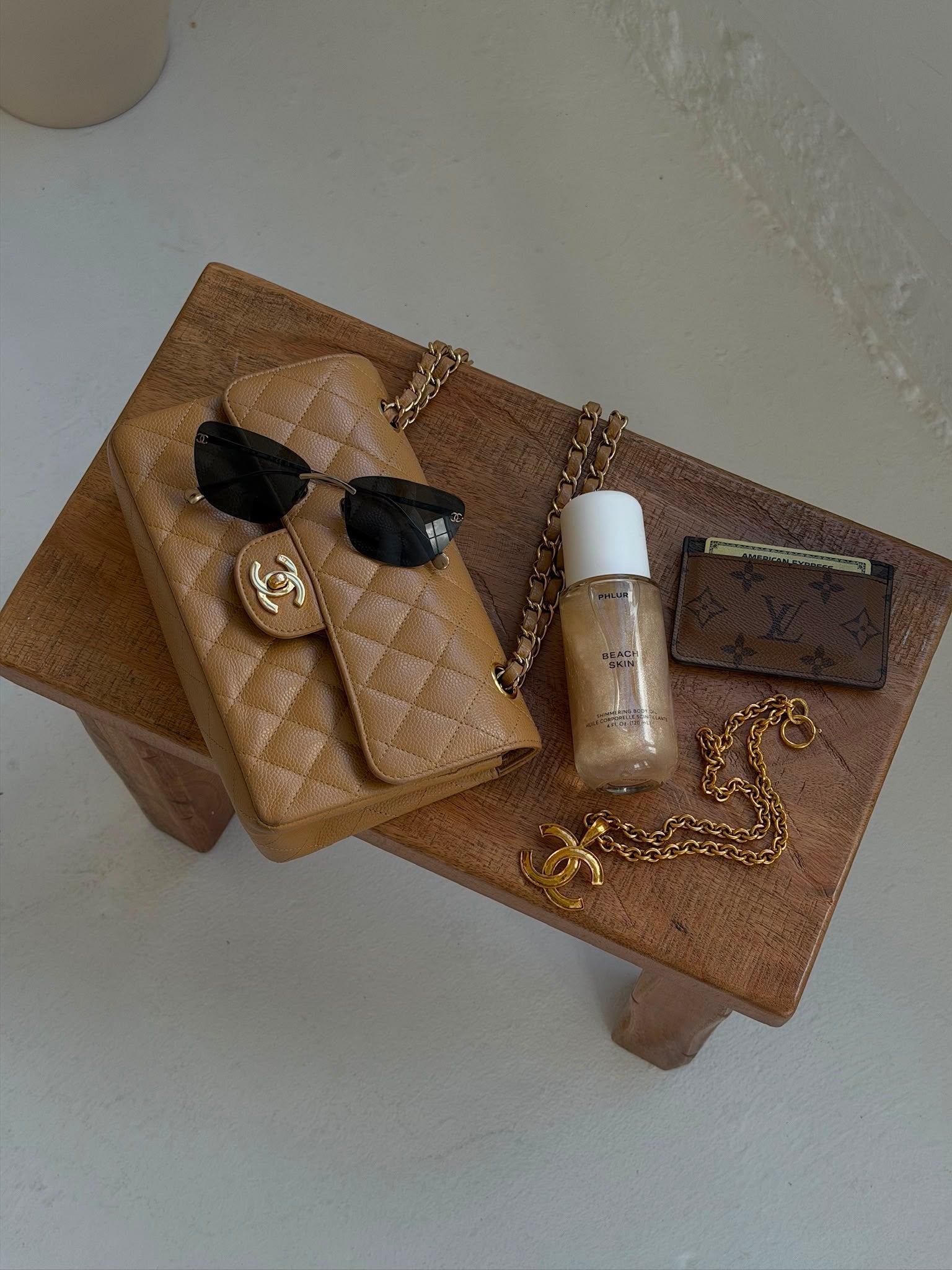
Chanel quilting follows strict diamond alignment, consistent stitch density, and precise symmetry
-
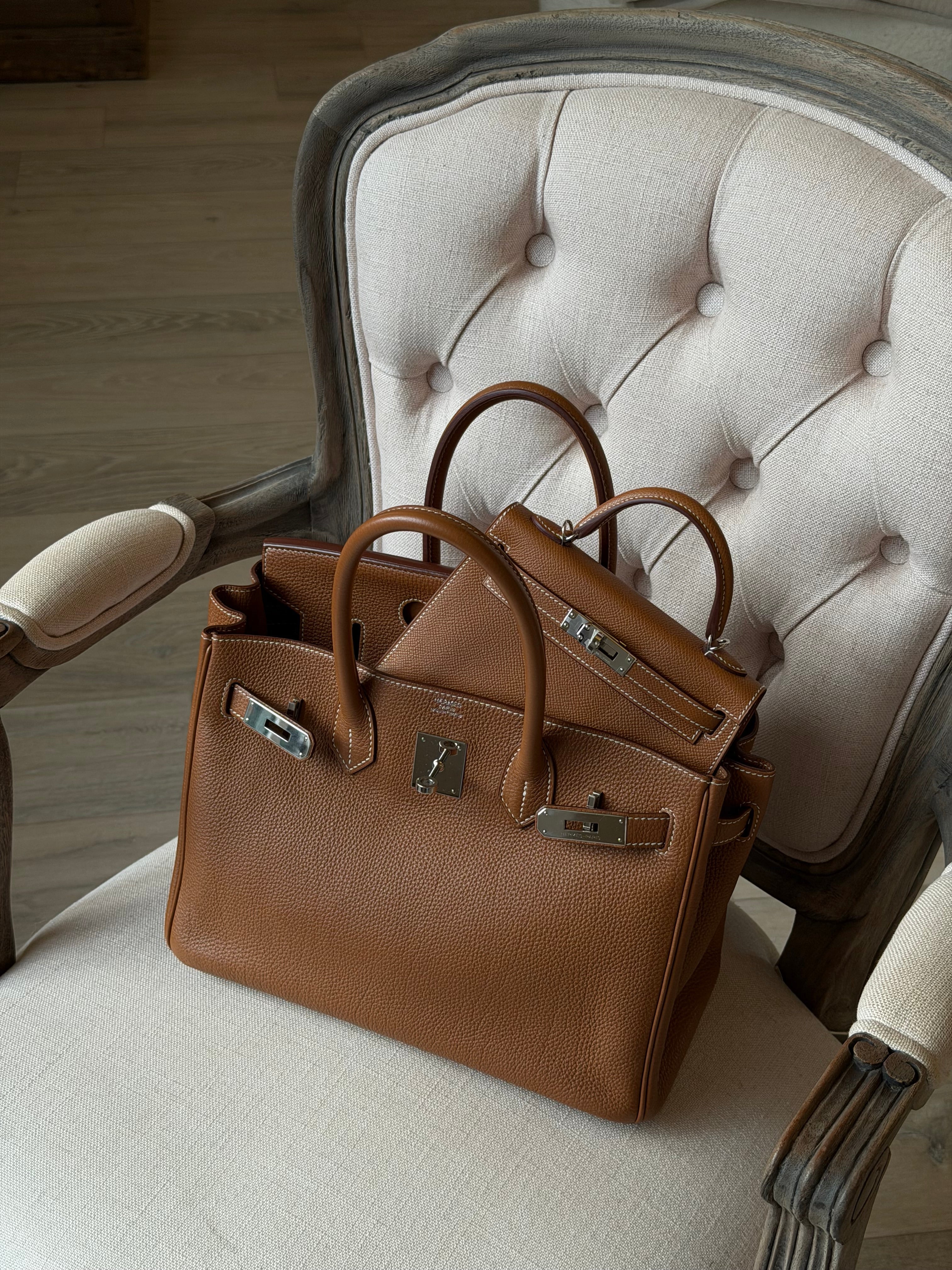
Hermès uses the iconic saddle stitch — hand-sewn, never machine-made — with angled slants and reinforced tension
Even small inconsistencies in spacing, tension, or alignment can indicate inauthenticity.
2. Logo Fonts and Typography
Typography is one of the most revealing indicators — and one of the hardest for counterfeiters to perfect.
-
Louis Vuitton monogram lettering follows precise serif shapes and spacing rules
-
Prada triangle plaques feature consistent embossing depth and enamel finish
Experts examine curvature, weight, spacing, and optical alignment, often under magnification.
3. Serial Codes, Date Codes and Micro-Stamps
Authentic luxury items use coding systems tied to production periods, factories, and materials.
-
Chanel: authenticity stickers and matching cards (with hologram features varying by era)
-
Louis Vuitton: heat-stamped date codes linked to time and place of manufacture
-
Hermès: blind stamps indicating year, craftsman, and production details
These are cross-checked against verified brand-era references not taken at face value.
4. Hardware Weight and Engraving
Hardware quality is often a decisive factor.
Genuine designer hardware typically shows:
-
Noticeable weight
-
Crisp, clean engraving
-
High-grade plating
-
Consistent colour tone
Brands such as Prada, Miu Miu, and Dior are particularly revealing here, counterfeit hardware often feels lighter or lacks precision.
5. Leather and Material Composition
Materials are where heritage luxury houses truly differentiate themselves.
-
Chanel caviar leather has a distinctive texture and durability profile
-
Hermès Togo and Clemence leathers show natural grain, never embossed patterns
-
Louis Vuitton canvas has a rigid structure and specific ageing behaviour
Experts assess texture, grain flow, smell, flexibility, and ageing, experience matters here more than any single tool.
Common Myths About Authenticity
There are persistent misconceptions in the resale market. Here’s the reality:
-
❌ A dust bag does not prove authenticity
-
❌ QR codes or holograms alone are not evidence
-
❌ Missing accessories do not mean a bag is fake
-
❌ A low price does not automatically indicate inauthenticity
Real authentication comes from consistency across multiple technical markers, not one defining feature.
Why Experience Matters in Authentication
True authentication relies on pattern recognition built over time.
A rigorous process typically includes:
-
Multi-stage visual inspection
-
Magnified hardware analysis
-
Leather and material assessment
-
Serial and date code verification
-
Comparison against known brand-era specifications
-
Cross-checks with reference items
No single step provides certainty, it’s the accumulation of evidence that confirms authenticity.
Authenticity Protects More Than a Purchase
Authentication is not just about identifying counterfeits.
It protects:
-
Financial value
-
Craftsmanship heritage
-
Market integrity
-
Sustainable, circular luxury
When buyers understand what makes a piece genuine, they make more confident, informed decisions, and the pre-loved market becomes stronger for everyone.
The Bottom Line
Authentic pre-loved luxury is built on knowledge, not shortcuts.
True verification requires expertise, patience, and a deep understanding of how luxury houses create their pieces down to the smallest detail.
For collectors and buyers alike, understanding authentication isn’t optional.
It’s essential.
About the Author
Liberty Senior is a luxury brand executive at Luxe Cheshire, specialising in pre-loved designer fashion, authentication standards, and long-term value across heritage luxury brands.